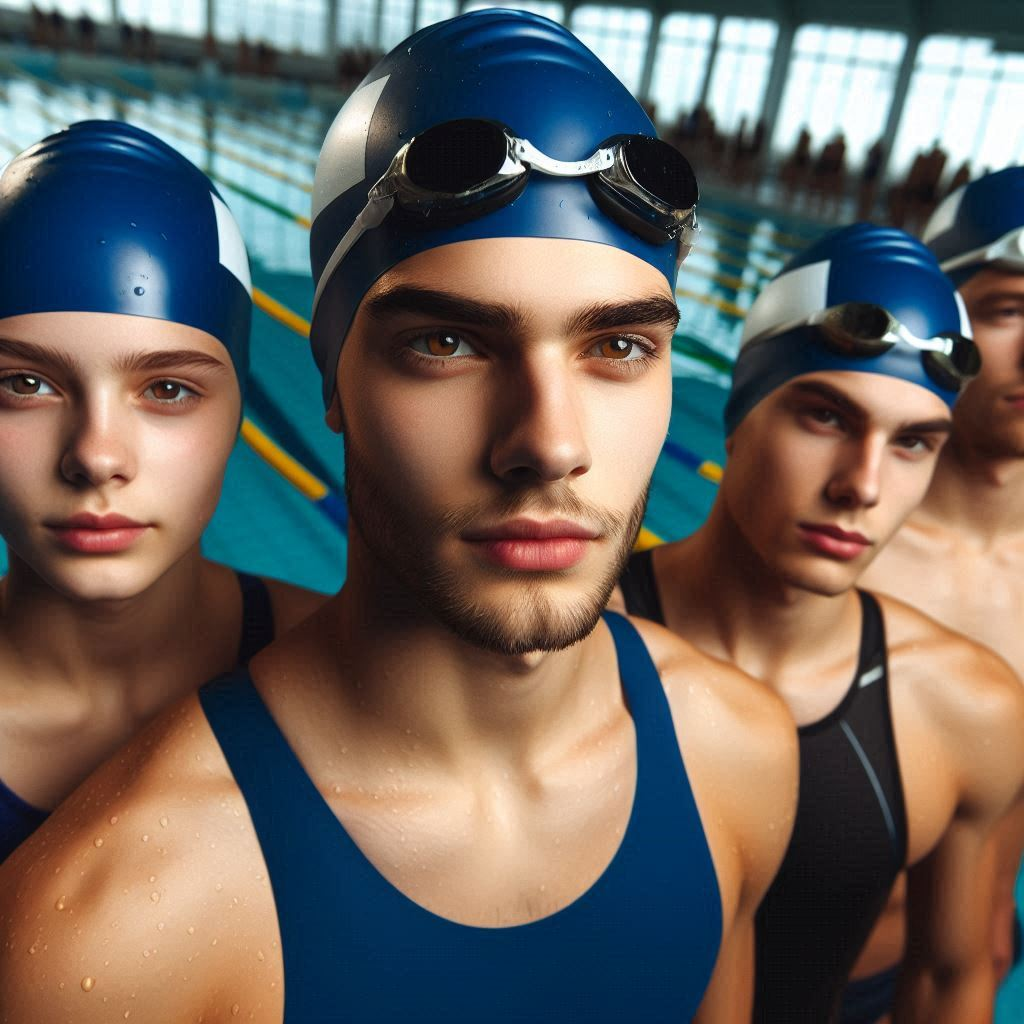
The Ultimate Guide to Choosing the Perfect Swimming Cap

As a swimmer, having the right gear is essential for optimal performance and comfort in the water. One crucial piece of equipment that often gets overlooked is the swimming cap. A well-fitted cap can not only streamline your body in the water but also protect your hair from chlorine damage and keep it out of your face during your swim sessions. With so many options available, choosing the perfect swimming cap can be a daunting task. In this comprehensive guide, we'll explore the different types of swimming caps, their features, and how to select the one that best suits your needs.
Understanding Swimming Cap Materials
Swimming caps are typically made from three main materials: silicone, latex, and lycra/spandex. Each material has its own unique properties and benefits:
Silicone Caps
Silicone caps are the most popular choice among competitive swimmers and triathletes. They are highly durable, long-lasting, and offer excellent stretch and flexibility. Silicone caps create a tight, hydrodynamic fit that minimizes drag in the water, making them ideal for racing and training. Additionally, they are resistant to chlorine, oils, and other chemicals found in pool water, ensuring their longevity.
Latex Caps
Latex caps are a more affordable option and are often preferred by recreational swimmers and those with longer hair. They are thinner and more lightweight than silicone caps, making them comfortable to wear for extended periods. However, latex caps are not as durable as silicone and may need to be replaced more frequently. They are also not as resistant to chemicals and may degrade faster in chlorinated water.
Lycra/Spandex Caps
Lycra or spandex caps are a popular choice for swimmers with longer hair or those who prefer a more comfortable fit. These caps are stretchy and breathable, allowing for a snug yet comfortable fit. They are also lightweight and easy to put on and take off. However, lycra/spandex caps may not provide the same level of hydrodynamic efficiency as silicone or latex caps, and they may not be as durable in chlorinated water.
Choosing the Right Size and Fit
Proper fit is crucial for a swimming cap to function effectively. A cap that is too loose can easily slip off during your swim, while one that is too tight can cause discomfort and even headaches. Here are some tips for finding the right size and fit:
- Measure your head circumference: Use a soft measuring tape to measure the circumference of your head, just above your eyebrows and around the widest part of your head. Consult the manufacturer's size chart to determine the appropriate cap size for your head measurement.
- Consider your hair length: If you have longer hair, you may need a larger cap to accommodate your hair comfortably. Some caps are designed specifically for longer hair, with extra room or a higher profile.
- Try on the cap: If possible, try on the cap before purchasing to ensure a comfortable and secure fit. The cap should feel snug but not overly tight or restrictive.
- Adjust the cap: Once you have the cap on, adjust it to ensure a smooth, wrinkle-free fit. Smooth out any bunching or creasing, as these can create drag in the water.
Related articles:
Choosing the Right Style and Features
In addition to material and fit, swimming caps come in various styles and with different features to suit different needs and preferences. Here are some common styles and features to consider:
Competition Caps
Competition caps are designed for maximum hydrodynamic efficiency and are often made from silicone or latex. They typically have a low-profile, streamlined design to minimize drag in the water. These caps are ideal for competitive swimmers and triathletes who prioritize speed and performance.
Training Caps
Training caps are designed for comfort and durability during regular swim sessions. They may be made from a variety of materials, including silicone, latex, or lycra/spandex. Training caps often have a higher profile or more room to accommodate longer hair comfortably.
Caps with Prints or Designs
For recreational swimmers or those who want to add a touch of personality to their swim gear, caps with prints or designs are a popular choice. These caps can feature team logos, fun patterns, or vibrant colors, allowing you to express your style in the pool.
Caps with Ear Pockets
Some swimming caps feature ear pockets or cutouts, which can be beneficial for swimmers who wear earplugs or ear protection during their swims. These caps ensure a comfortable and secure fit while accommodating your ear gear.
Caps with Chin Straps
Caps with chin straps offer an extra layer of security, preventing the cap from slipping off during intense swim sessions or flip turns. These caps are particularly useful for swimmers with shorter hair or those who prefer a tighter fit.
Caring for Your Swimming Cap
Proper care and maintenance can extend the lifespan of your swimming cap and ensure it continues to perform at its best. Here are some tips for caring for your cap:
- Rinse your cap after each use: Rinse your cap with clean water after each swim session to remove chlorine, salt water, or other chemicals that can degrade the material over time.
- Avoid excessive heat and sunlight: Heat and direct sunlight can cause the material of your cap to break down and become brittle. Store your cap in a cool, dry place away from direct sunlight.
- Gently wash and air dry: When your cap needs a more thorough cleaning, gently hand wash it with a mild soap and lukewarm water. Avoid using hot water or putting your cap in the washing machine, as this can damage the material. Air dry your cap away from direct heat sources.
- Replace when necessary: Even with proper care, swimming caps will eventually wear out and need to be replaced. Watch for signs of thinning, cracking, or loss of elasticity, and replace your cap when it no longer provides a secure and comfortable fit.
By following these guidelines and selecting the right swimming cap for your needs, you can ensure a comfortable, streamlined, and enjoyable swim experience every time you hit the pool.