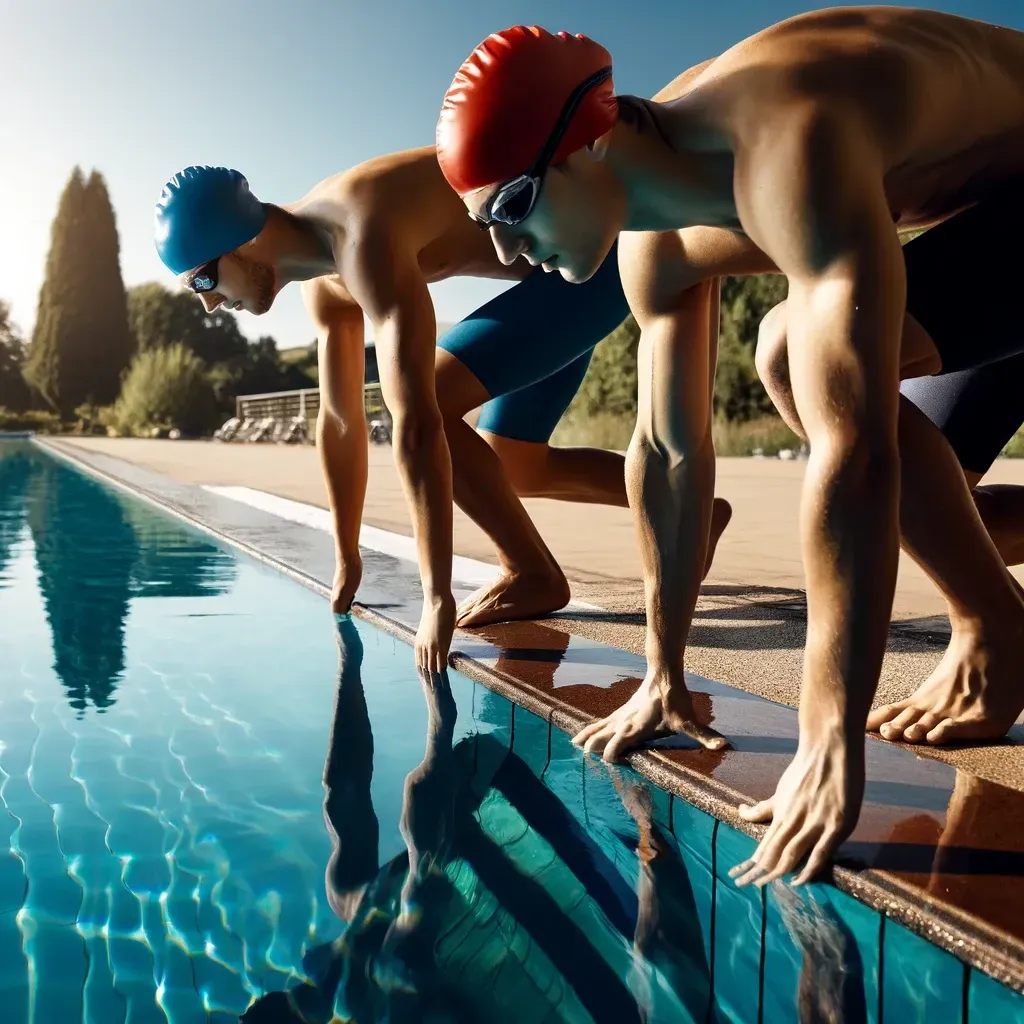
Adam Peaty - a legend
Gaynor Willis • 29 July 2024

Adam Peaty: The UK's Unsinkable Swimming Sensation
A group of olympic rings and medals on a white background.

In the realm of competitive swimming, where precision, power, and perseverance converge, Adam Peaty stands as an indomitable force. Hailing from the United Kingdom, Peaty has redefined the limits of human capability in the water, earning his place as one of the most iconic swimmers of our time. His journey is a testament to relentless dedication and an unyielding pursuit of excellence.

The Early Ripples


Adam Peaty was born on December 28, 1994, in Uttoxeter, a small town in Staffordshire, England. From a young age, Peaty exhibited an affinity for the water, but it wasn't until he was 14 that he began to take swimming seriously. Inspired by watching the 2008 Beijing Olympics, he decided to dive headfirst into the sport. Under the guidance of coach Mel Marshall, Peaty's talent blossomed, and he quickly emerged as a formidable competitor.

Breaking Records and Making History


Peaty's breakthrough on the international stage came at the 2014 European Championships, where he clinched gold in the 100m breaststroke. This victory was just the beginning. Over the next few years, he dominated the breaststroke events, consistently setting and breaking world records. His most iconic achievement came in 2016 at the Rio Olympics, where he won gold in the 100m breaststroke, setting a world record of 57.13 seconds—a feat that stunned the world.

The Peaty Effect


What sets Adam Peaty apart is not just his remarkable speed but his unparalleled technique and training regimen. Peaty's signature style, characterized by a high stroke rate and incredible efficiency, has revolutionized breaststroke swimming. His dedication to perfecting his craft is evident in his rigorous training schedule, which includes a mix of swimming, strength training, and mental conditioning.


The "Peaty Effect" extends beyond his physical prowess. He has become a symbol of perseverance and resilience, inspiring countless young swimmers around the globe. Peaty's journey from a small-town boy to an Olympic champion serves as a powerful reminder that with hard work and determination, extraordinary achievements are within reach.

Continued Dominance and Future Aspirations


Adam Peaty is an advocate for mental health awareness and often speaks about the importance of mental well-being for athletes. Peaty's commitment to using his platform for positive change exemplifies his role as a true sportsman and leader.  He is a true legend.  In the pool and out of it.

by Gaynor Willis 12 March 2026
If your swim club, school, or event is ordering custom swim caps, one of the first questions is which material to choose . Not all swim caps are the same. The material affects comfort, durability, print quality, and cost — so the right choice depends on how the caps will be used. This guide explains the differences between silicone, latex, and polyester swim caps , and which one works best for clubs, schools, and open water swimmers. 1. Silicone Swim Caps (Best for Most Clubs) Silicone is now the most popular material for custom swim caps , especially for competitive teams and clubs. Advantages Very durable — lasts a full season or longer Comfortable and stretchy Does not pull hair as much as latex Excellent surface for printed logos Holds colour well Silicone caps are also slightly thicker , which helps them maintain their shape and gives a more premium feel. Best for Swim clubs School teams Competitive swimmers Masters swimming Clubs wanting custom printed logos Downsides Silicone caps are usually more expensive than latex , but the extra durability often makes them better value overall . 2. Latex Swim Caps (Budget Option) Latex caps are made from thin natural rubber and were historically the standard swim cap material. Advantages Lower cost Very lightweight Good for large one-off events Because they are thinner, some swimmers prefer the lighter feel. Best for School galas Large swim events Temporary use Downsides Latex caps are less durable and more likely to tear over time. They can also pull hair and degrade faster when exposed to chlorine and sunlight. For clubs ordering caps for a full season, latex may need replacing more often. 3. Polyester (Fabric) Swim Caps Polyester swim caps are made from fabric rather than rubber or silicone . They are comfortable but behave very differently from traditional swim caps. Advantages Very comfortable Easy to put on and remove Good for long training sessions Best for Recreational swimmers People with very long hair Comfort-focused swimmers Downsides Fabric caps are not waterproof and do not provide the same hydrodynamic benefit. They also cannot be printed with detailed logos as cleanly as silicone caps. Because of this, they are rarely used for club branding or competitions . Which Material Do Most Swim Clubs Choose? Most clubs today choose custom printed silicone swim caps . They offer the best combination of: durability comfort professional appearance strong logo printing For clubs that want their swimmers to look unified on the pool deck — and easy to identify during races — silicone caps are usually the best choice. When Latex Might Still Make Sense Latex caps can still work well when: you need very large quantities the caps are for a single event the budget is tight For example, school galas or charity swims often choose latex caps. Choosing the Right Cap for Your Club Before ordering custom caps, consider: How long the caps need to last Whether you need printed logos Your club budget Whether the caps are for training, racing, or events If you’re unsure, most suppliers can recommend the best option based on your needs. Ordering Custom Swim Caps When ordering custom caps, clubs usually need to decide: cap material colours logo artwork quantity delivery timeline Planning ahead is important, especially before the start of the swim season or major competitions. Need Help Designing Custom Caps? At Swimprint , we’ve been printing swim caps for clubs and schools for decades. If you're planning a new order, we can help with: choosing the right cap material preparing your logo for printing selecting colours that match your club branding 
by Swimprint 23 February 2026
Custom Swim Caps for Schools and Universities : What to Order and When
A poster for the olympics in paris in 2024
by Gaynor Willis 29 July 2024
Dive into Paris 2024’s top swimming moments—world records, Olympic glory from Marchand, Ledecky, Pan Zhanle & more. Celebrate heroism in the pool.
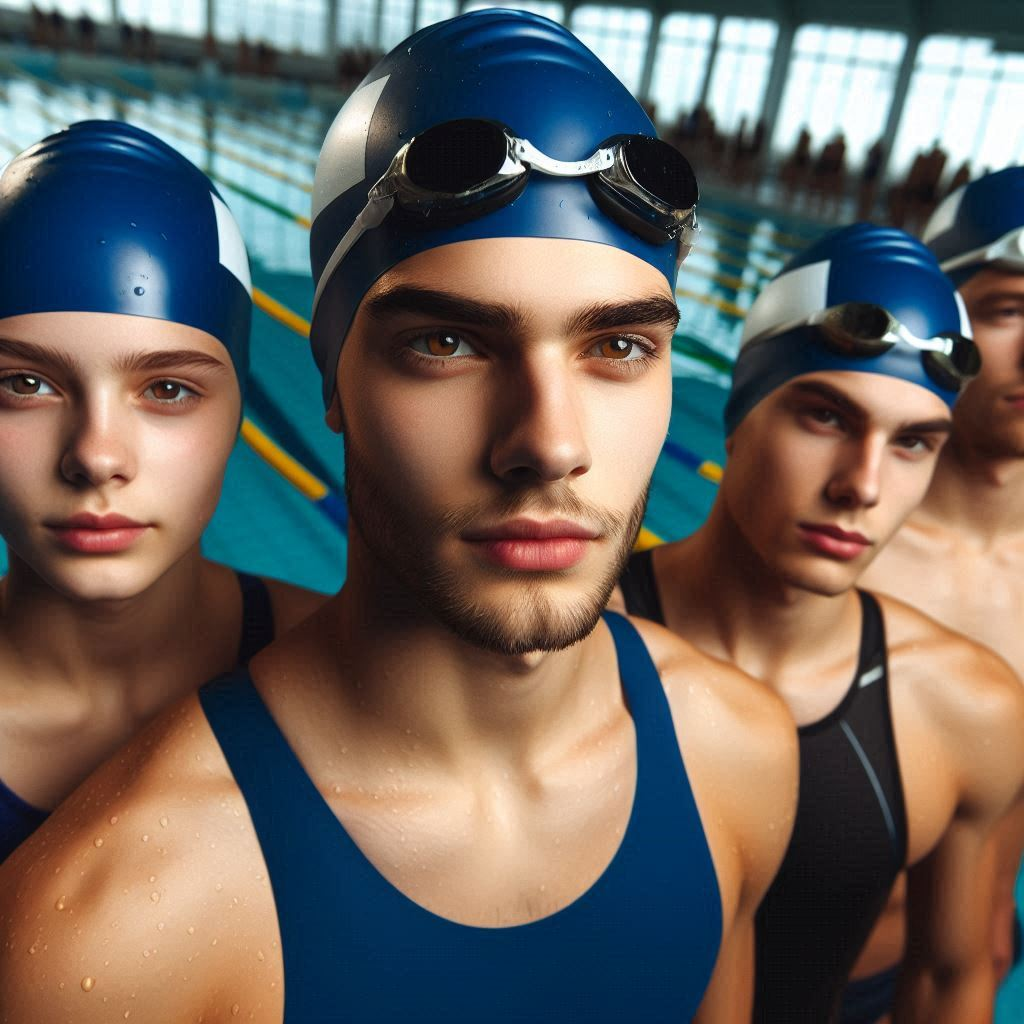
A group of swimmers wearing blue swim caps and goggles
by Mark Sear 14 June 2024
Add a personal touch to every swim with custom swim caps. Boost style, comfort & team unity—crafted precisely for you by Swimprint.
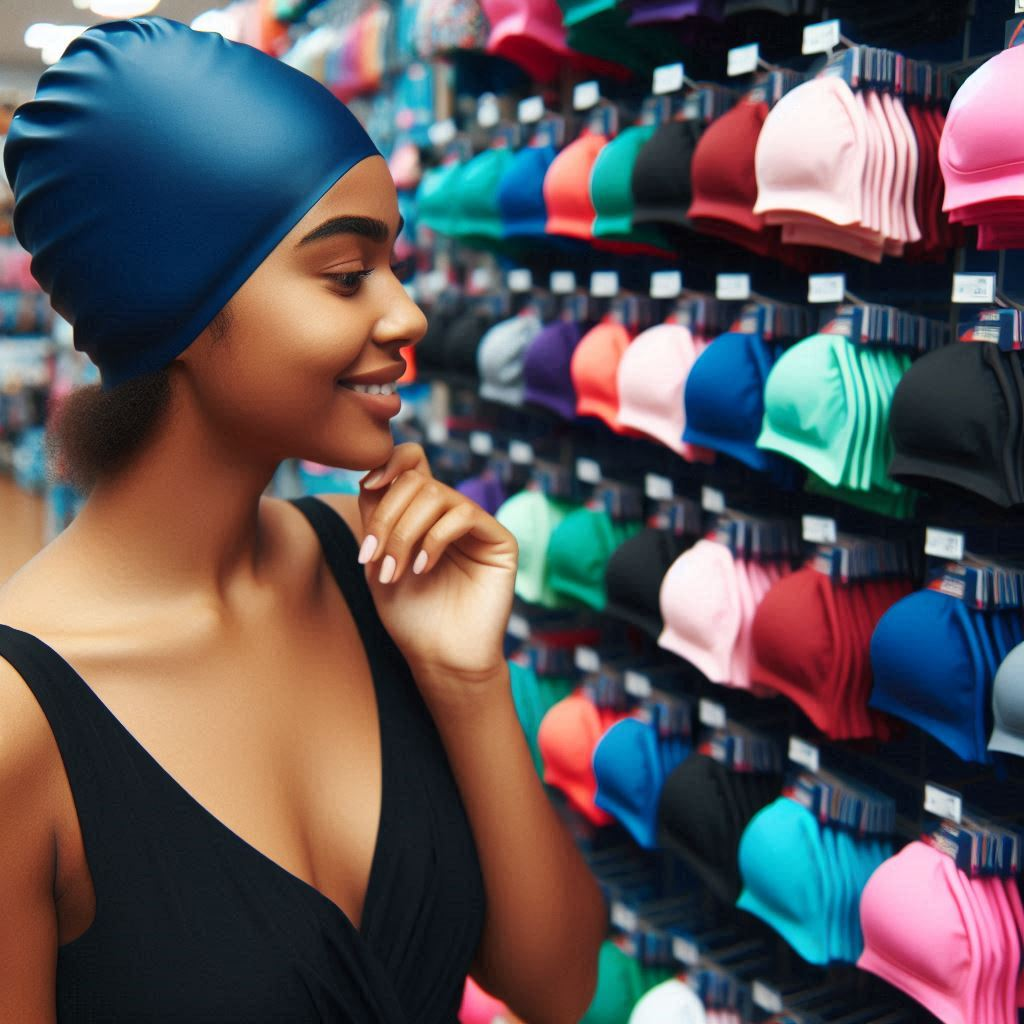
A woman wearing a swim cap is standing in front of a display of bras
by Gaynor Willis 9 June 2024
Discover how to pick the ideal swim cap—silicone, latex, lycra—based on fit, hair type & purpose. Expert tips for swimmers of every level.
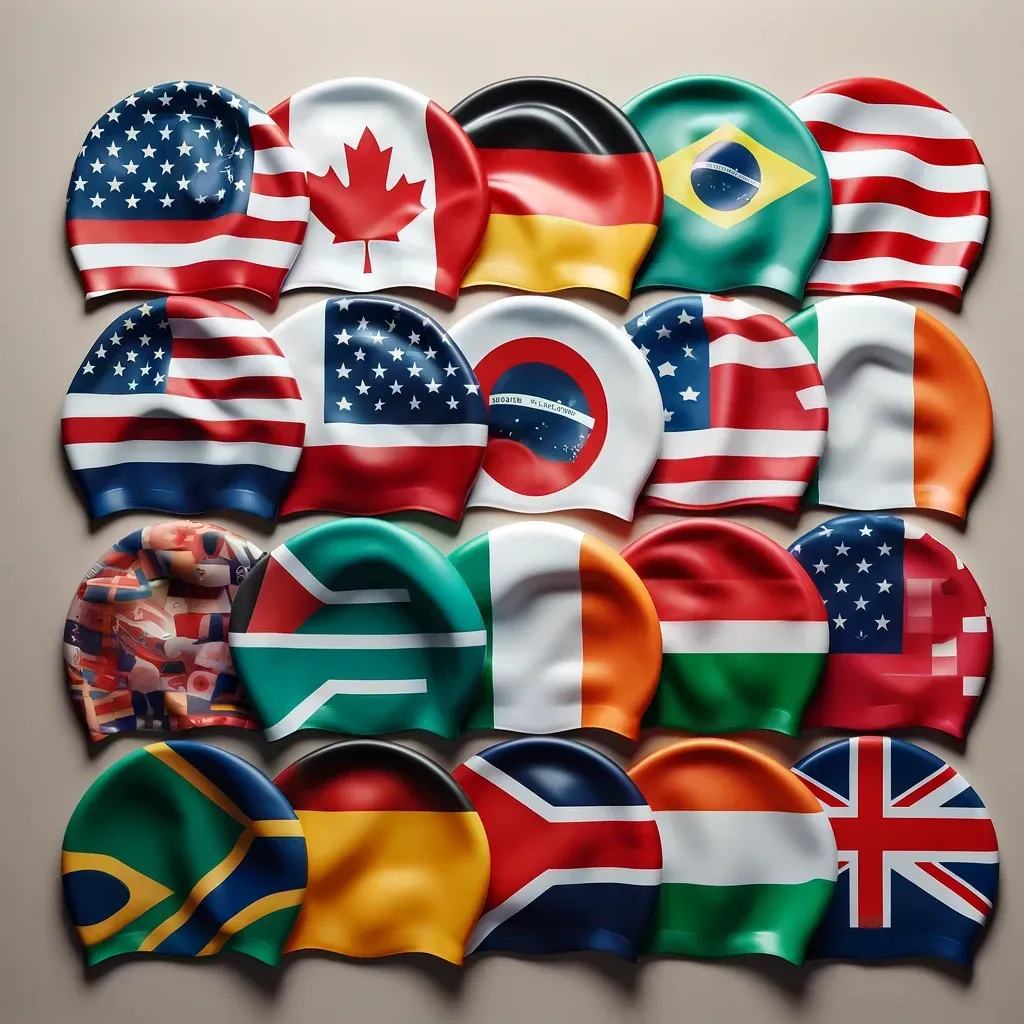
A bunch of swim caps with different flags on them
by Gaynor Willis 27 May 2024
Looking for custom swim hats for your school? Discover the benefits of branded swim caps in this comprehensive guide.
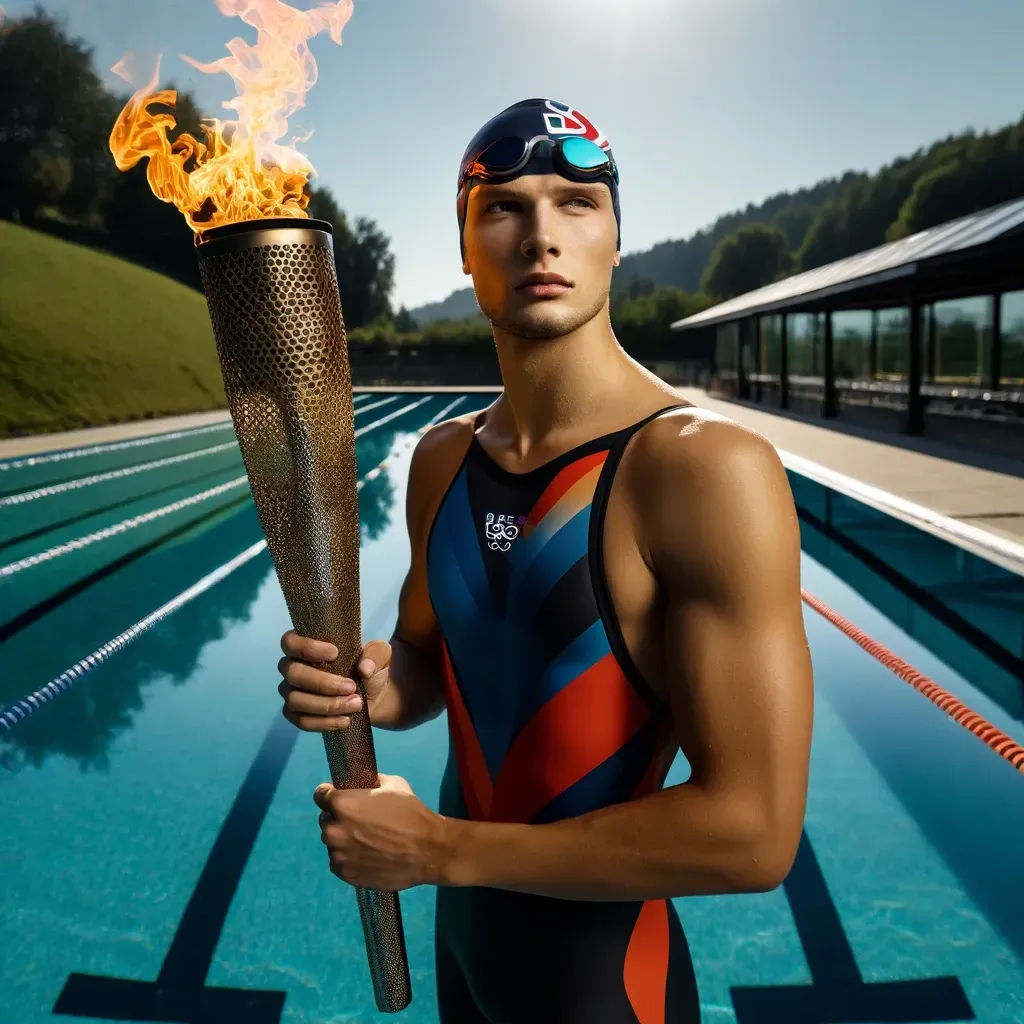
A swimmer is holding a torch in front of a swimming pool
by Gaynor Willis 20 May 2024
Follow the emotional highs and lows of an Olympic swimmer’s path. Discover how custom swim caps reflect pride, identity, and performance at every stage.
Two men are getting ready to swim in a pool
by Gaynor Willis 13 May 2024
Explore how custom swim caps boost swimmer confidence, focus & unity. Perfect for teams aiming for peak performance in and out of the pool.
A group of people are dancing around a pole on a beach.
by Gaynor Willis 6 May 2024
Mark the May Day swim in style with custom swim caps. Combine tradition, team spirit & top performance with quality caps from Swimprint.
A woman is jumping into a swimming pool with the eiffel tower in the background.
by Gaynor Willis 29 April 2024
Celebrate national pride at Paris 2024 with bespoke swim caps. A symbol of unity, performance & personal achievement for every Olympic swimmer.